Product Description
PPE Kit (90 GSM)is a protection clothing which helps to make a protective barrier around the human body to keep them away and safe from the pollutants and harmful microbes present with a contaminated zone. Personal Protective Equipment Kit is especially designed by using top quality polypropylene materials with a thickness of 90 GSM with a light weight and flexible design which offers excellent flexibility and mobility to the wearer. Buyers can get this top quality product from us in different sizes as per different body measurements.
# Applications of PPE Kit:
Personal Protective Equipment (PPE) kits are essential in various settings to protect individuals from potential hazards, including infectious agents, chemicals, physical risks, and more. The specific applications of PPE kits depend on the nature of the hazards and the environment in which they are used. Here are some common applications of PPE kits:
1. Healthcare Settings:
- Infection control: PPE kits are crucial for healthcare professionals to prevent the transmission of infectious diseases. Components may include gloves, gowns, masks, face shields, and goggles.
- Surgical procedures: Surgeons and operating room staff use PPE kits to maintain sterility during surgeries, typically including sterile gowns, gloves, masks, and eye protection.
2. Industrial and Manufacturing Environments:
- Chemical protection: Workers handling hazardous chemicals wear PPE kits with chemical-resistant suits, gloves, goggles, and respirators.
- Welding and metalwork: PPE kits include flame-resistant clothing, welding masks, and gloves to protect against heat and sparks.
3. Construction and Heavy Machinery:
- Hard hats: Construction workers wear PPE kits that include hard hats to protect against head injuries.
- Steel-toed boots: Workers use protective footwear to prevent injuries from falling objects or heavy equipment.
4. Emergency Response:
- Firefighters: Fire-resistant suits, helmets, gloves, and self-contained breathing apparatus are part of the PPE kits used to protect firefighters from heat, smoke, and hazardous materials.
- First responders: Paramedics and emergency medical personnel use PPE kits for protection during medical emergencies, including gloves, masks, and eye protection.
5. Laboratories and Research Facilities:
- Chemical and biological hazards: Lab technicians use PPE kits with lab coats, gloves, goggles, and respirators when handling hazardous materials.
- Cleanrooms: Workers in cleanroom environments wear PPE to maintain a sterile atmosphere, including full body suits, gloves, and hoods.
6. Agriculture:
- Farming and pesticide handling: Farmers and agricultural workers use PPE kits that include coveralls, gloves, goggles, and respirators to protect against pesticides and other hazards.
- Animal handling: Veterinarians and animal handlers use PPE kits with gloves and protective clothing when dealing with potentially infectious or aggressive animals.
7. Food Handling and Processing:
- Food industry workers may wear PPE kits that include hairnets, gloves, aprons, and masks to maintain hygiene and prevent contamination.
8. Hazardous Waste Management:
- Workers involved in waste disposal and cleanup require PPE kits to protect against exposure to hazardous materials, including hazmat suits, gloves, and respirators.
9. Cleanrooms and Pharmaceuticals:
- In cleanroom environments, PPE kits are used to maintain sterility, with items such as sterile gowns, gloves, and head covers.
10. Hospitality Industry:
- Hotel staff, particularly during the COVID-19 pandemic, used PPE kits that included masks, gloves, and face shields to protect themselves and guests.
# Frequently Asked Questions:
Q. What is a PPE kit?
Ans: A PPE kit is a set of protective gear designed to safeguard individuals from various hazards such as infectious agents, chemicals, physical risks, and more. It typically includes items like masks, gloves, gowns, goggles, face shields, and other protective clothing.
Q. When should PPE be used?
Ans: PPE should be used in situations where there is a risk of exposure to hazards that could cause harm. Common scenarios include healthcare settings, industrial work, construction, emergency response, and more.
Q. What are the components of a basic PPE kit?
Ans: The components can vary depending on the intended use, but a basic PPE kit might include gloves, masks, eye protection (goggles or face shields), and a gown or coverall.
Q. How do I properly put on and remove PPE?
Ans: Proper donning and doffing procedures are critical to ensure PPE is effective and to prevent contamination. Its essential to follow specific guidelines for each type of PPE and practice good hand hygiene.
Q. Can I reuse PPE?
Ans: The reuse of PPE should be minimized, especially in healthcare settings and when dealing with infectious materials. In some cases, certain PPE items can be decontaminated and reused, but this should be done with caution and following guidelines.
Q. How should I dispose of used PPE?
Ans: Used PPE, particularly if it is contaminated with hazardous materials or infectious agents, should be disposed of in designated containers or waste disposal systems following appropriate safety protocols.
Q. Is there a difference between medical and industrial PPE?
Ans: Yes, there can be differences in the design and performance of PPE for medical and industrial use. Medical PPE is typically designed to provide protection in healthcare and sterile environments, while industrial PPE may be designed for specific industrial hazards, such as chemicals, heat, or impact.
Q. Where can I get PPE?
Ans: PPE can be obtained from various sources, including medical supply stores, industrial safety suppliers, and online retailers. Its important to ensure that the PPE you acquire meets relevant safety standards.
Q. Are there regulations governing the use of PPE?
Ans: Yes, various occupational safety and health regulations, such as those from OSHA (Occupational Safety and Health Administration), govern the use of PPE in workplaces. Compliance with these regulations is essential.
Q. Is PPE effective against all types of hazards?
Ans: PPE is designed for specific types of hazards. Not all PPE is suitable for all situations. Its important to select the right type of PPE for the specific hazards present in your environment.
Q. Can PPE protect against COVID-19 and other infectious diseases?
Ans: PPE, when used correctly, can provide protection against the transmission of infectious diseases, including COVID-19. However, it is just one part of a broader strategy that may include vaccination, social distancing, and hygiene measures.
Q. Do children need PPE kits?
Ans: The need for PPE kits for children depends on the situation. In healthcare settings or when children are in close contact with infected individuals, appropriate PPE may be required. However, for general daily activities, children usually do not need PPE kits to the same extent as adults.
Q. What should I do if I have an allergic reaction to PPE materials?
Ans: If you experience an allergic reaction to PPE materials, you should discontinue use immediately and seek medical attention. Allergic reactions to certain PPE materials, like latex gloves, are not uncommon.
Comprehensive Protection for Every SettingThis PPE Kit is engineered to offer complete body coverage and superior defense against infectious agents, making it a reliable choice for healthcare workers, laboratory staff, industrial personnel, and individuals seeking personal protection. Elastic closures, high tensile strength, and breathable materials ensure comfort during extended wear, while the lightweight, universal-fit design accommodates diverse needs.
Quality Materials and Advanced DesignCrafted from non-woven polypropylene, this kit boasts robust features like stitched or ultrasonically sealed seams, a wrap-around gown, and a hooded full head cover for efficient coverage. The latex/nitrile gloves, PET 175 micron face shield, and waterproof design work together to deliver exceptional safety without compromising usability or comfort.
FAQs of PPE Kit:
Q: How should the PPE Kit be used for maximum protection?
A: Wear the kit by first donning the coverall, then the gown, followed by the gloves, face mask, face shield, and finally the shoe covers. Ensure all closures are secured, including zippers and elastic grips. Follow the recommended sequence for donning and doffing to minimize contamination.
Q: What makes this PPE Kit suitable for different environments like medical, laboratory, and industrial applications?
A: The kit is composed of materials providing high tensile strength and 99% bacteria filtration efficiency. Its three-layer, water-proof structure, lint-free nature, and comprehensive design ensure protection and versatility across various professional and personal use cases.
Q: When should the PPE Kit be disposed of, and is it reusable?
A: This PPE Kit is designed for single-use, disposable applications. It should be properly discarded after one-time use or upon exposure to contaminants, as it is not reusable. Always follow local guidelines for biomedical waste disposal after use.
Q: Where should the PPE Kit be stored prior to use?
A: Store the kit in a cool, dry place to maintain its protective qualities and extend shelf life. Proper storage also ensures the kit remains sterile if purchased in a sterile version.
Q: What is the process to request sterile PPE Kits or specific seam types?
A: Sterile PPE Kits and kits with your desired seam typeseither stitched or ultrasonically sealedcan be requested at the time of order through your dealer, supplier, or manufacturer. Specify your requirements to ensure you receive the appropriate kit for your intended use.
Q: How does the face mask and shield included in the kit secure to the wearer?
A: The face mask secures via earloops or tie-on straps, while the face shield, made of PET 175 micron material, features an easy-fit design. Both components are optimized for secure and comfortable long-term use.
Q: What are the main benefits of choosing this PPE Kit?
A: The primary benefits include complete body coverage, high bacteria filtration, waterproof and lint-free qualities, universal fit, and lightweight comfort. These features work together to enhance user safety in high-risk environments while ensuring ease of movement and breathability.


 Send Inquiry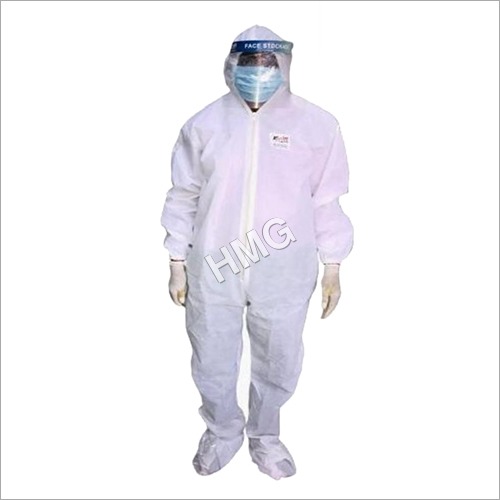


 Send Inquiry
 Send SMS
